
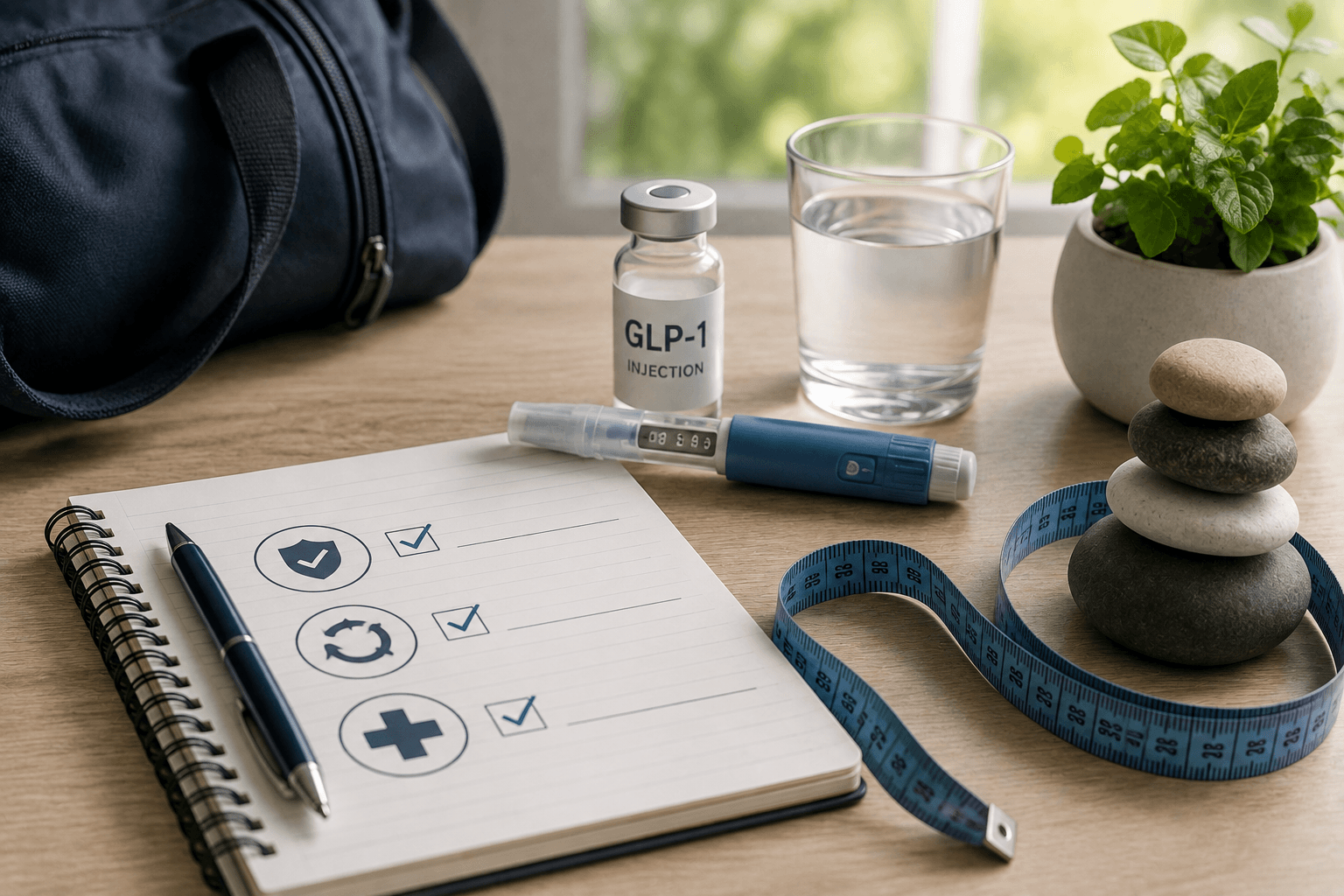
Make Your GLP-1 Clinic Switch Safe, Simple, and Stress-Free
Switching GLP-1 clinics in Eugene can feel stressful, especially if you are already in the middle of your weight loss plan. You may worry about losing progress, getting the wrong dose, or having to repeat everything from the start. The good news is that changing clinics can be safe and straightforward when it is done with a clear plan.
More people are using GLP-1 medications like semaglutide and tirzepatide for medical weight loss in Eugene. As lives change, it is common to outgrow a clinic, move across town, or want more support than a fast online program offers. When the switch is handled carefully, with proper records, updated labs, and smart re-titration, you can keep moving toward your goals instead of starting over. At Absolute Wellness Center, we focus on integrative, whole-body care so GLP-1 weight loss in Eugene is not just about a shot, but about helping your entire body feel and function better.
Know When It Is Time to Change GLP-1 Clinics
If you are thinking about changing clinics, your instincts may already be telling you something is off. Some common red flags include:
- Rushed visits with little time for questions
- Little or no education about how GLP-1s work
- Difficulty reaching anyone when you have concerns
- No real follow-up when you report side effects
- Feeling like you are just another chart in a long list
There are also deeper clinical concerns that can signal it is time to look for a new partner for your GLP-1 weight loss in Eugene:
- No regular lab monitoring after your first visit
- A dose schedule that is unclear or keeps changing without explanation
- No talk about nutrition, movement, sleep, or stress
- No plan for what happens when you lower or stop the medication
Life shifts can also make a clinic change a smart move. When school starts again, work schedules change, or outdoor activity slows, your daily routine may look different. That is often a natural time to reset your plan with a team that offers more complete support so your medical weight loss fits your real life, not the other way around.
How to Transfer GLP-1 Records Without Derailing Care
Good records are the backbone of a safe switch. Before you move to a new clinic, try to gather as much of your history as you can. Helpful records include:
- All GLP-1 prescriptions, doses, and brands
- Start dates and your titration schedule over time
- Weight and BMI readings at different points
- Lab results such as A1C, fasting glucose, kidney and liver function, and lipids
- Any ER or urgent care notes related to side effects, dehydration, or abdominal pain
The transfer process is usually simple:
- Ask your new clinic what they need most ahead of your first visit
- Sign a medical records release form so your prior clinic can share files
- Allow time for records to arrive so your new provider is not guessing
- Bring any printed lab reports or medication boxes you still have at home
Continuity of care matters with GLP-1 medications. Your new provider needs to know exactly what you were taking, how your body responded, and whether you took any breaks. This history helps them avoid overdosing, which can raise side effects, or under-dosing, which can slow progress and leave you frustrated.
Why Retesting Labs Matters Before Restarting GLP-1s
Many people assume that the labs they did at the start of treatment are enough for months or years. In reality, your body can change quickly, especially as you lose weight or adjust other medications. Labs that were fine at the beginning may no longer reflect your current health.
Before and during GLP-1 therapy, providers often look at:
- A1C and fasting glucose
- Kidney function and liver function tests
- Lipid panel for cholesterol and triglycerides
In a whole-body clinic, you may also see testing for hormones, inflammation markers, or nutrient levels when appropriate. These extra insights can be helpful when progress slows or when you feel worse instead of better.
Retesting helps with safety and results. Updated labs can uncover issues like thyroid imbalance, low testosterone, or vitamin deficiencies that may:
- Slow fat loss or increase muscle loss
- Make fatigue, brain fog, or low mood worse
- Increase the chance of side effects if they are not addressed
By checking these areas before restarting or increasing your GLP-1 dose, your provider can adjust your plan so medication, nutrition, and other therapies all work together instead of against each other.
Safe GLP-1 Re-Titration After Gaps or Dose Changes
Re-titration is the process of gradually working back up to an effective GLP-1 dose after a break or a change in medication. This step is often skipped, which is when people run into more nausea, vomiting, constipation, or dehydration.
It is usually not a good idea to jump straight back to your highest past dose if you have missed several weeks. Your body adjusts to these medications over time. When that exposure drops, your tolerance does too. Restarting too high can overload your system and may raise the chance of serious GI issues.
- Reviewing your full GLP-1 history and side effect patterns
- Looking at your current health, other medications, and recent lab work
- Starting at a lower or mid-range dose when needed, then adjusting in steps
- Checking in regularly to see how your appetite, digestion, and energy respond
At a clinic like Absolute Wellness Center, GLP-1 weight loss in Eugene is paired with tools that can make re-titration easier. Support may include IV therapy for hydration and nutrient support, guidance on protein intake and fiber, and strategies to keep you active without overloading painful joints. The goal is to support healthy fat loss and protect overall wellness, not just chase a lower number on the scale.
Choosing a Whole-Body GLP-1 Partner in Eugene
When you choose your next clinic, it helps to have a simple checklist so you feel confident about the change. Helpful signs include:
- Clear dosing and titration plans you can understand
- Regular follow-ups, not just a quick refill
- Easy ways to reach the team with questions
- Real attention to nutrition, movement, sleep, and stress
- Transparent explanations of what is and is not included in your plan
Absolute Wellness Center in Eugene focuses on regenerative and integrative care, which fits well with GLP-1 weight loss. Weight loss can uncover old aches or limit movement if joints are already stressed. Having options like chiropractic care, joint-focused treatments, IV therapy, and hormone support in the same clinic makes it easier to care for your whole body as changes happen.
A whole-body partner does not just look at weekly doses. Instead, the focus is on how you feel, how your body functions, and how your habits are shaping long-term results. As routines shift and schedules fill up, working with a team that understands both GLP-1 medications and overall wellness can make your next phase of weight loss safer, steadier, and more sustainable.
Start Your Personalized, Clinically Guided Weight Loss Journey Today
Written by
Absolute Wellness Center
Absolute Wellness Center is a regenerative medicine and chiropractic clinic in Eugene, OR. Our team has helped patients across the Willamette Valley for 9+ years — combining chiropractic care, IV therapy, medical weight loss, and hormone balance in one welcoming clinic.